

What Is The A/C Blower Motor
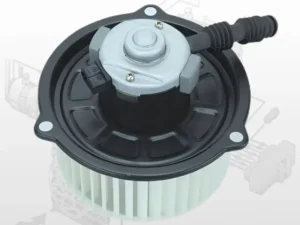
The automotive A/C blower motor is a key component of the vehicle’s HVAC system. It pushes cooled or heated air into the cabin by driving airflow through the evaporator (for air conditioning) or heater core (for heating).
In cooling mode, it delivers air that passes through the evaporator, cooled by refrigerant. In heating mode, it pushes air through the heater core, which is warmed by the engine’s coolant. The blower motor ensures consistent airflow, temperature control, and proper ventilation.
Key Functions for B2B Customers to Know
- Air Delivery: Circulates cold or hot air into the cabin.
- Speed Control: Works with resistors or control modules to adjust fan speeds.
- Ventilation: Maintains fresh air flow, defogging, and overall air circulation.
- Cabin Comfort: Supports air exchange in both internal and external circulation modes.
In commercial or fleet vehicles, A/C blower motor failure can lead to discomfort, inefficient defrosting, or cabin temperature instability, especially under extreme climate conditions.
Symptoms of a Bad A/C Blower Motor
Weak or No Airflow from Vents
Possible Causes: Burned fuse, motor failure, disconnected wiring.
Impact: No cooling or heating delivered to passengers.
Blower Only Works at One Speed
Typical Fault: Damaged blower resistor or control module.
Solution: Replace the resistor; avoid running the motor at a single speed long-term.
Unusual Noise from HVAC Unit
Noise Type: Rattling, whirring, or scraping.
Likely Reason: Foreign object in fan housing, worn-out bearings.
Recommendation: Inspect the fan wheel and motor assembly.
Intermittent Blower Operation
Cause: Loose wire harness, poor contact, or failing motor.
Risk: Inconsistent air delivery affecting vehicle comfort and safety.
Fan Blows, But Air Is Not Cold
Not a blower motor issue. Likely low refrigerant, compressor failure, or blocked evaporator.
Burning Smell or Smoke
Critical Warning: Overheating wires or motor overload.
Action Required: Immediate disconnection and inspection to prevent fire hazards.
Blower Motor Inspection Checklist
| Fuse / Relay | No response from fan |
Replace the resistor module
|
| Blower Resistor | Works only at one speed |
Clean/secure terminals or replace the plug
|
| Connector/Wiring | Irregular fan behavior |
Replace the complete blower motor
|
| Motor Assembly | Fan not spinning or noisy |
No response from the fan
|
Replacement Tips for Distributors & Technicians
- Always disconnect the vehicle battery before servicing HVAC systems
- Ensure blower assembly compatibility (voltage, fan size, OE reference).
- Check the air filter and ducting during installation to prevent overload.
- After replacement, test all fan speeds and listen for unusual noise or vibration.
Blower Motor Availability
Anchor Group supplies a wide range of AC blower motors compatible with major vehicle brands, including:
- Voltage options: 12V / 24V
- Applications: Passenger cars, trucks, buses, off-road vehicles
- OE Cross References: Available upon request
- Custom packaging & branding available for bulk buyers