
When you switch on your car’s air conditioning, but the compressor does not engage, there can be several possible causes. These can be analyzed from three main aspects: electrical system, mechanical components, and the refrigerant system.
Top Causes of Auto AC Compressor Fails to Engage
Electrical System Issues
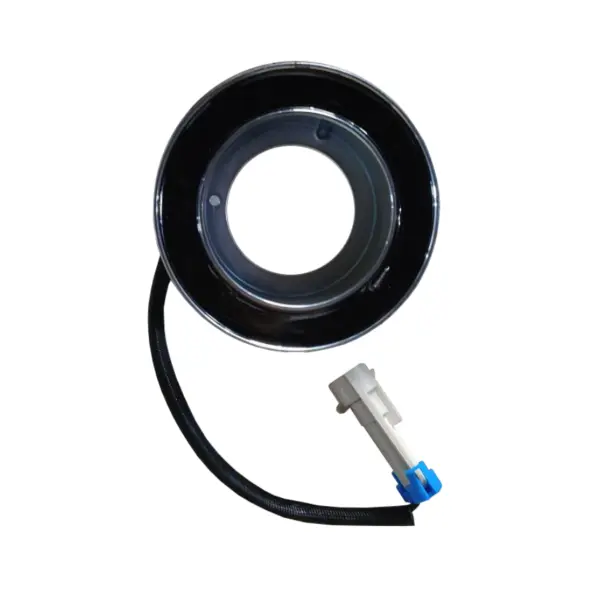
Clutch solenoid failure: A damaged or open AC clutch solenoid prevents the compressor from engaging.
Blown fuse: If the fuse controlling the compressor is blown, no current reaches the unit.
Relay failure: A faulty AC relay cannot supply power to the compressor clutch.
Switch or control module malfunction: A defective AC switch, thermostat, or ECU/BCM may fail to send a signal to engage the compressor.
Wiring issues: Aging, loose, or broken wires can interrupt power to the clutch.
Compressor-Related Problems
Internal mechanical damage: The compressor shaft may be stuck, bearings damaged, or internal pistons/blades jammed.
Insufficient lubrication: Lack of system oil can create excessive friction, preventing startup.
Overload protection activation: Some compressors have built-in overload protection that cuts power in the event of abnormal temperature or pressure.
Refrigerant System Abnormalities
Low or leaking refrigerant: Modern AC systems have pressure switches; if the low or high pressure is out of range, the ECU may prevent the compressor from engaging.
Pressure switch failure: A faulty low-pressure or high-pressure switch can block the compressor from receiving the start signal.
Quick AC Troubleshooting Tips
| Poor electrical contact, blown fuse, open relay coil, or bad ground connection |
Check electrical components, secure wiring, replace damaged fuses or components, and ensure proper grounding
|
| Clutch solenoid failure (coil open) |
Inspect the AC clutch solenoid; repair or replace if damaged or open
|
| The AC clutch contact surface is dirty, or the gap is abnormal |
Clean the contact surface, adjust the clutch gap, or replace the clutch
|
| AC clutch coil voltage below 10.5V |
Measure coil voltage, repair wiring, or restore proper contact
|
| Thermostat contact fault |
Repair or replace the thermostat
|
| Faulty sensor component |
Replace sensor
|
| Pressure relay switch malfunction |
Identify the cause and repair or replace the relay/switch
|
| Internal mechanical damage (shaft stuck, bearings damaged, pistons/blades jammed) |
Inspect compressor; repair or replace if necessary
|
| Insufficient lubrication |
Check system oil level; add oil or service compressor as needed
|
| Overload protection activation |
Check for abnormal temperature or pressure; reset or repair the compressor
|
| Loose or slipping drive belt |
Check belt tension and condition; adjust or replace as needed
|
| Compressor bearing burned |
Repair or replace the compressor
|
| Compressor seized |
Repair or replace the compressor
|
| Low or leaking refrigerant |
Check system pressure; refill refrigerant or repair leaks
|
| Pressure switch failure (low/high pressure) |
Test and replace faulty pressure switches
|
Conclusion
The AC compressor is vital to your car’s cooling system, and failures can significantly reduce performance. This article explains the most common reasons a compressor may not engage when the AC is switched on and provides practical troubleshooting guidance. Anchor Group also offers high-quality, OEM-compliant replacement compressors and parts to ensure reliable performance and full system support. Contact us today to find the right AC compressor for your vehicle and keep your system running smoothly.