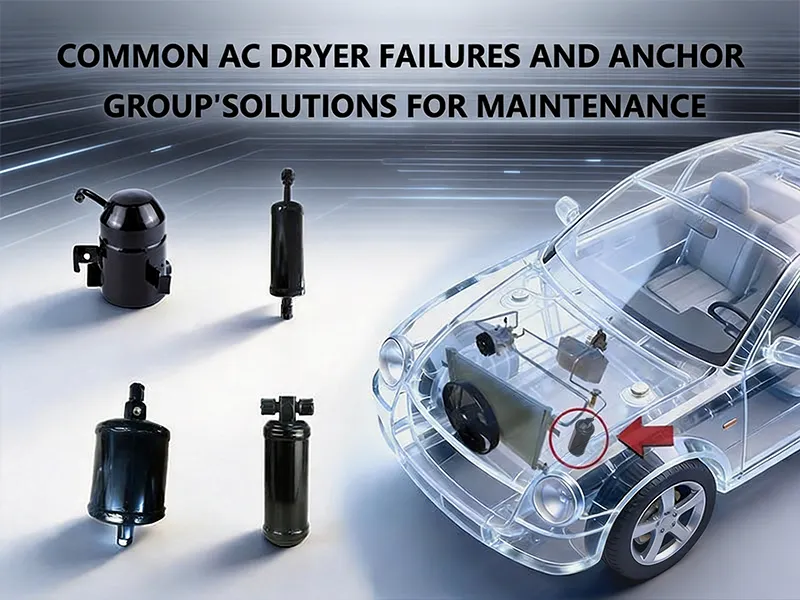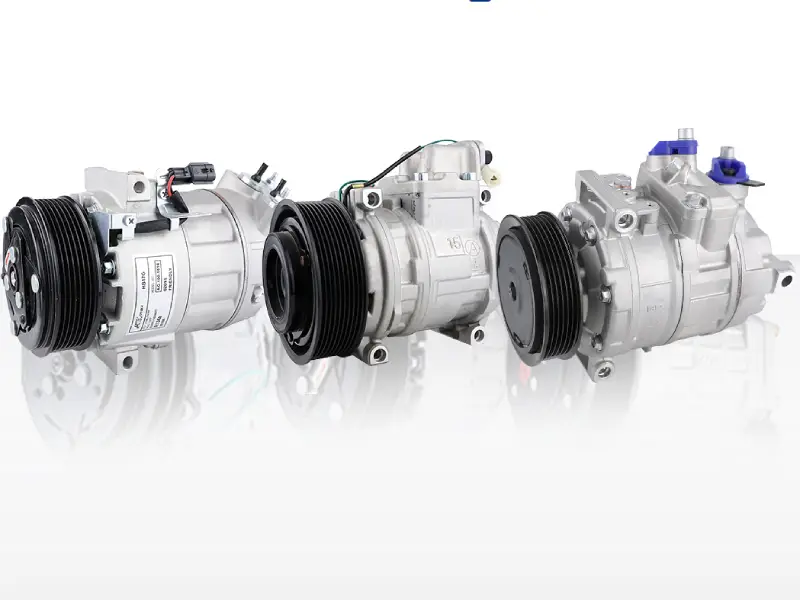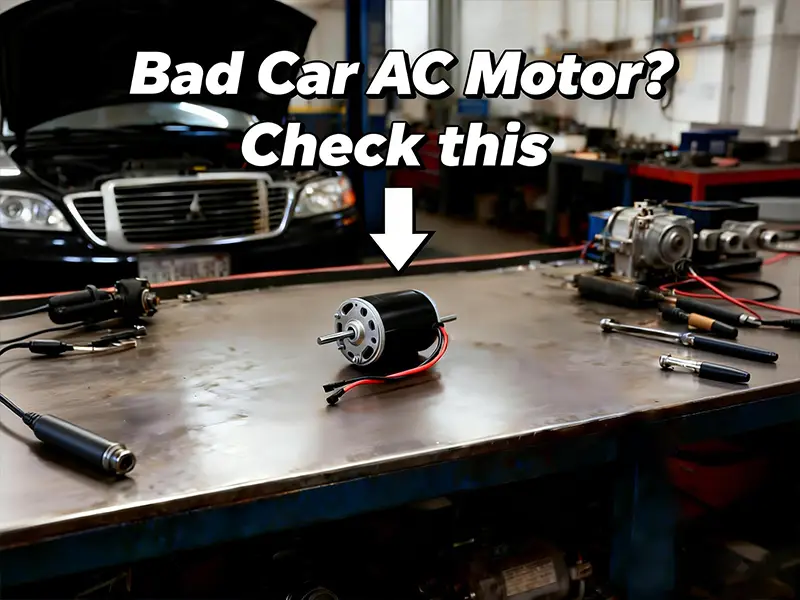

Refilling your car’s air conditioning (AC) system with refrigerant can restore its cooling efficiency and ensure comfortable driving in hot weather. This process is often referred to as “recharging” the AC system. Here’s a step-by-step guide to help you refill your car’s aircon properly.

Refill Car AC
Preparations Before Refilling Car AC
- AC Recharge Kit (includes refrigerant, usually R134a, and a gauge)
- Protective Gloves and Safety Glasses
- Thermometer
- User Manual for your vehicle
2. Learning Safety Precautions
- Wear Protective Gear: Use gloves and safety glasses to protect yourself from refrigerant, which can cause frostbite or other injuries.
- Work in a Ventilated Area: Ensure the work area is well-ventilated to avoid inhaling any refrigerant fumes.
- Avoid Open Flames: Refrigerant is flammable and should not be exposed to heat or open flames.
- Check for Leaks: Before recharging, check for leaks in the AC system. Refilling a system with a leak can result in repeated refrigerant loss and is not a long-term fix.
Step-By-Step Instructions of Refilling a Car AC
1.Locate the low-pressure port of the AC System:
Open the hood and locate the low-pressure service port. This port is usually found on the larger diameter tubing coming out of the AC compressor. The service port typically has a plastic cap that you’ll need to remove.
2.Check the AC System Pressure:
- Attach the gauge from the AC recharge kit to the low-pressure port. Ensure the gauge is securely connected.
- Start the engine and set the AC to its maximum cool setting with the highest fan speed.
- Read the pressure on the gauge. The ideal range for most cars is between 25 to 45 psi (pounds per square inch). If the pressure is lower than this, your AC system likely needs more refrigerant.
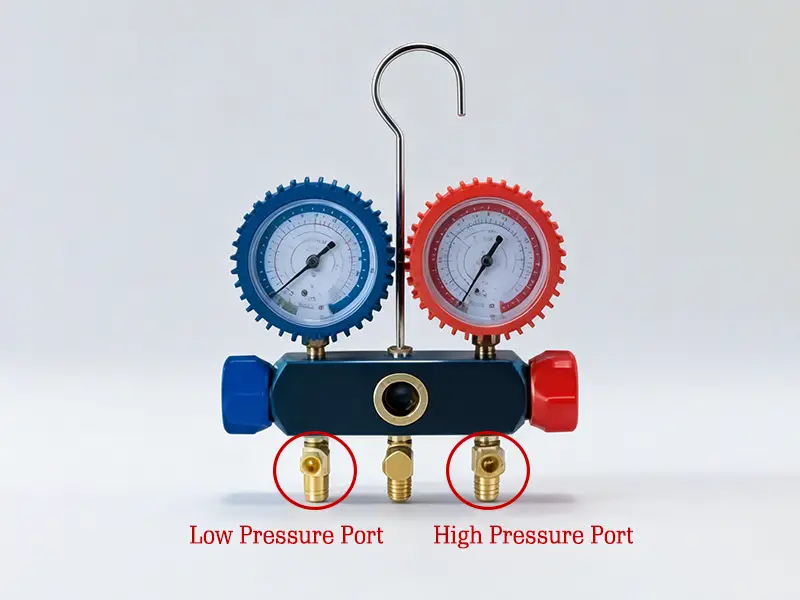
Air Con Recharge for Car
- Shake the canister of refrigerant well before use.
- Connect the canister to the gauge and then attach it to the low-pressure port.
- Hold the canister upright and open the valve to start adding refrigerant.
- While adding refrigerant, gently rotate the canister from side to side and monitor the gauge to ensure you don’t overfill.
4.Monitor the Temperature:
- Place a thermometer in the central AC vent inside your car to monitor the temperature of the air being blown.
- Continue adding refrigerant until the temperature at the vent is around 40°F to 50°F (4°C to 10°C). Do not add more refrigerant once this temperature is reached or if the pressure gauge shows it’s in the optimal range.
5. Check for Proper Operation:
- Once the AC system is recharged, disconnect the gauge and replace the cap on the low-pressure port.
- Check the AC system to ensure it’s blowing cold air consistently.
NOTE: Follow local regulations for disposing of empty refrigerant canisters. Do not simply throw them in the trash.
6. Professional Help
If your AC system still isn’t cooling properly after recharging, or if you’re unsure about performing the refill yourself, it’s best to consult a professional mechanic. There could be other issues, such as a faulty compressor, that require expert diagnosis and repair.
Tips for Maintaining Your Car’s AC System
- Regularly Check for Leaks: Inspect your AC system periodically for signs of refrigerant leaks.
- Keep the Condenser Clean: Ensure the condenser is free of debris and dirt to maintain optimal cooling.
- Run the AC in Winter: Running the AC occasionally in colder months helps keep the system lubricated and prevents seals from drying out.
- Schedule Annual Maintenance: Have your AC system inspected by a professional at least once a year.
Manufacturer Information
Anchor Group is a trusted manufacturer of high-quality auto AC parts. Specializing in wholesale distribution, they provide essential components such as compressors, condensers, and evaporators, ensuring reliable performance for your vehicle’s air conditioning system. With a commitment to quality and innovation, Anchor Group supports the maintenance and repair of car AC systems to keep your vehicle cool and comfortable.
By following this guide, you can effectively Refill Car AC and enjoy a cool, comfortable ride. Regular maintenance and proper care of your AC system can help prevent future issues and ensure it functions efficiently for years to come.