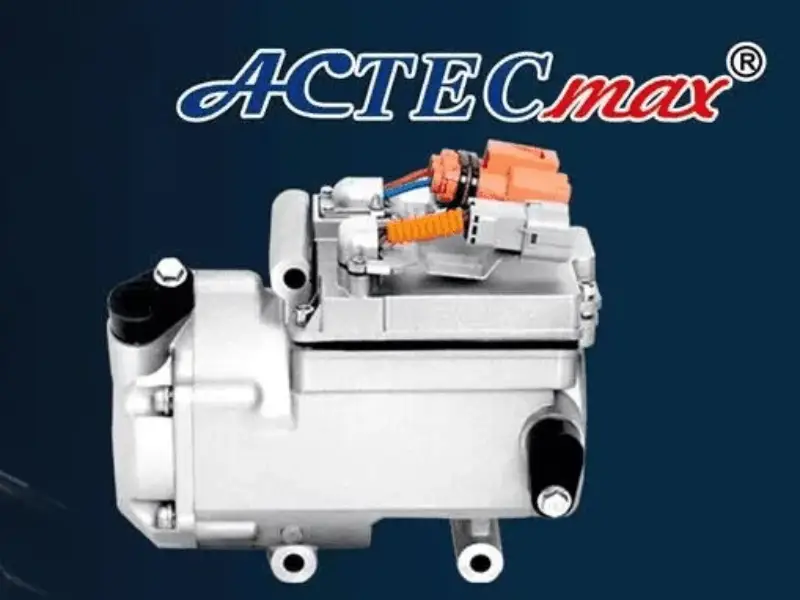

When it comes to keeping your car’s air conditioning system running smoothly, understanding the type of refrigerant used is essential. The refrigerant not only cools the air but also plays a crucial role in the overall efficiency of the AC system. In this blog, we’ll explore the types of refrigerants commonly used in cars, their properties, and why they matter.
Common Refrigerants in Automotive AC Systems
R134a
This has been the standard refrigerant used in automotive air conditioning systems for many years. It’s known for its efficiency and relatively low environmental impact compared to older refrigerants. R134a is a hydrofluorocarbon (HFC) that does not deplete the ozone layer, making it a more eco-friendly option.
R1234yf
As the automotive industry shifts towards more sustainable practices, R1234yf has emerged as a replacement for R134a. This refrigerant has a much lower global warming potential and is being adopted by many manufacturers for new vehicles. While it is slightly more expensive, its environmental benefits make it a desirable option.
R12
Previously the most common refrigerant in automotive air conditioning systems, R12 has been phased out due to its ozone-depleting properties. It’s now banned in many countries, and vehicles using R12 are often retrofitted to use R134a or R1234yf.
Why the Refrigerant Matters
The type of refrigerant used in your car’s AC system affects its performance, efficiency, and environmental impact. Here are some key reasons why understanding refrigerants is important:
Efficiency: Different refrigerants operate at different pressures and temperatures. The efficiency of the AC system can be significantly impacted by the refrigerant used.
Environmental Impact: With growing concerns about climate change and ozone depletion, choosing the right refrigerant can help reduce your vehicle’s environmental footprint.
Regulatory Compliance: Many regions have regulations regarding the use and disposal of refrigerants. Using an approved refrigerant ensures compliance with local laws.
Maintenance and Replacement
If you notice your car’s air conditioning isn’t cooling effectively, it may be time to check the refrigerant levels. Here are a few maintenance tips:
Regular Inspections: Have your vehicle’s AC system inspected regularly to ensure refrigerant levels are adequate and there are no leaks.
Use Approved Refrigerants: Always use the type of refrigerant specified in your vehicle’s owner manual or by the manufacturer.
Professional Service: If you need to recharge your AC system or replace the refrigerant, it’s best to have it done by a professional who can handle refrigerants safely and legally.
Conclusion
Understanding what refrigerant is used in cars is crucial for maintaining a well-functioning air conditioning system. Whether it’s R134a, R1234yf, or another type, knowing the refrigerant can help you make informed decisions about your vehicle’s maintenance. For further assistance with your car’s air conditioning needs, consider reaching out to Anchor Group, a trusted B2B supplier of automotive AC parts and tools.
Feel free to contact us for more information or to place bulk orders for your automotive HVAC needs!