
Why Your AC Compressor Matters
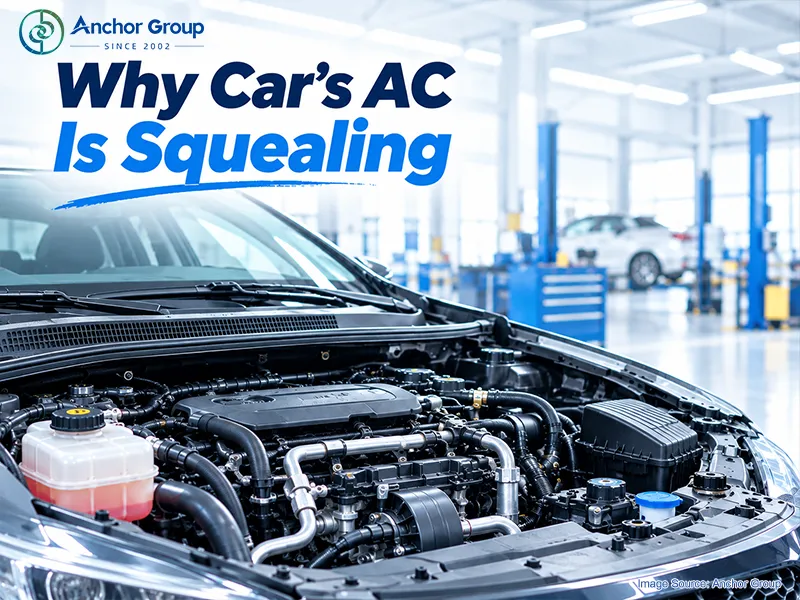
Your car’s AC compressor is the heartbeat of its cooling system, and when it starts to fail, the effects are felt immediately through noises, warm air, and irregular performance. Ignoring these early warnings not only leads to discomfort on hot days but can also result in unpleasant, high repair bills.

Five Signs of a Failing Compressor
Below are five common signs of a failing compressor:
- Odd Engine-Bay Noises: When you fire up the A/C, listen for whining, grinding, or clattering sounds—those are classic clues that the compressor’s clutch or bearings are on their last legs.
- Lukewarm Air: If you’ve replenished refrigerant but your vents only pump out tepid air, the compressor is likely losing its grip on proper system pressure.
- Oil Spots or Hissing: Next time you’re checking your lines, watch for slick oil stains around the hose fittings. If you catch a steady hiss or see tiny soap bubbles when you spray on the joints, that’s your refrigerant—and the lubricant that keeps everything running—slipping away.
- Clutch That’s Quirky or Silent: A compressor clutch that won’t engage, pops on and off unpredictably, or emits a high-pitched squeal usually signals an electrical issue or a safety cut-out kicking in.
- On-and-Off Cooling: Getting blasts of cold air mixed with warm gusts? Your compressor is probably short-cycling—often because internal valves or seals are clogged or worn.
Three Maintenance Tips
- Fire Up Your A/C Every Couple of Weeks
Give your car’s air-con a spin at least once every two weeks—let it run for about five minutes. This little habit: - Keeps the refrigerant oil flowing and the seals nice and supple, so they don’t dry out.
Stops metal parts in the compressor from “welding” together when they sit still too long.
Prevents tiny rust spots on bearings and shafts, which can ruin smooth operation over time. - Keep an Eye on Belt Tension
Keep the A/C drive belt firm but not rigid—think of it as having just enough give to flex under pressure, not snap. A good rule of thumb is about an 8–10 kg (18–22 lb) pull to achieve proper tension.
Excessive Tension: A belt that’s pulled too tight overloads the pulley bearings, causing them to wear out faster than normal.
Insufficient Tension: If the belt is too loose, it will slip under load, slowing the compressor and reducing cooling performance.
Simple Twist Check: Grab the belt halfway between the pulleys and turn it about a quarter-turn (90°). It should offer some resistance—neither spin freely nor feel rock-solid—to confirm proper tension.
Watch for Leaks and Top Up Oil
Every now and then, peek around the compressor shaft seal and the pipe connections. Obvious oily residue is a sign of a leak. Repair as needed, and then add the specified amount of refrigeration oil following the manufacturer’s procedure to ensure all rotating parts remain properly lubricated.
By paying attention to these red flags and sticking to a simple maintenance routine, you’ll keep your AC compressor—and your ride—running cool, comfortable, and reliable. Before everything, don’t underestimate the heart of your cooling system—a rugged, dependable AC compressor sets the stage for lasting performance. At Anchor Group, we’re your worldwide source for top-quality automotive HVAC components and turnkey solutions. Ready to discover our full lineup of auto AC compressors, parking-cooling units, and bus air-conditioning solutions? Contact us today.