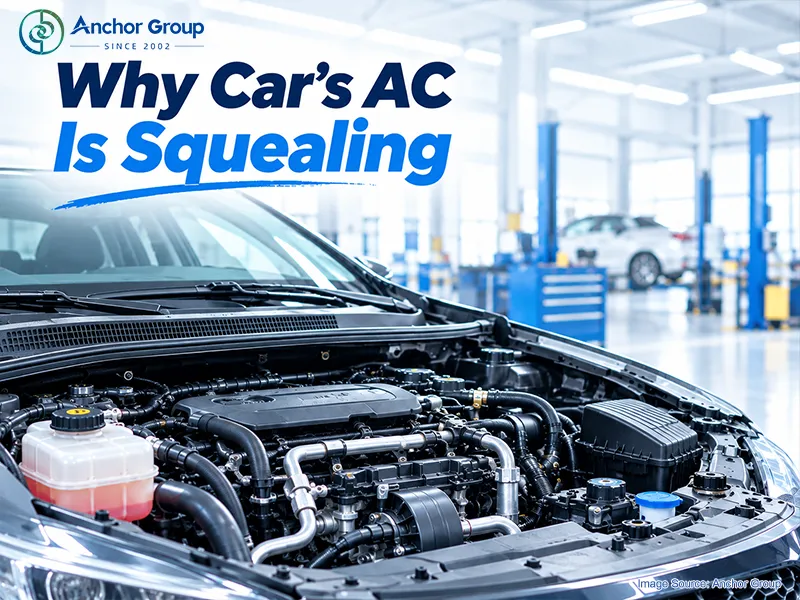

Your car’s air conditioning system plays a crucial role in keeping the cabin comfortable during hot weather, and the AC compressor is at the heart of it all. However, like any mechanical part, the compressor can wear out or fail over time. Recognizing the signs of a bad AC compressor early can help you avoid more costly repairs and ensure your vehicle’s air conditioning system keeps running smoothly.
In this blog, we’ll discuss the most common symptoms of a bad AC compressor, why it’s important to address these issues promptly, and how you can prevent compressor failure in the future.
What Does an AC Compressor Do?
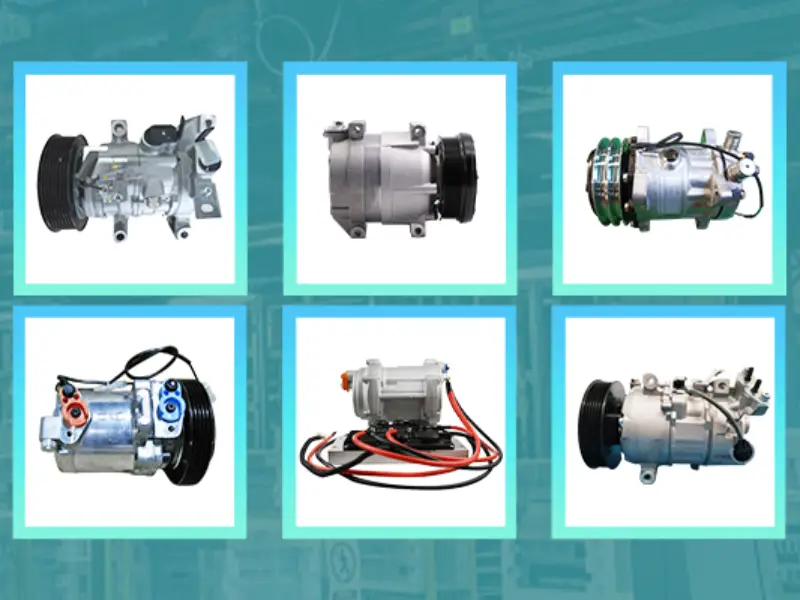
Before diving into the signs of a bad AC compressor, it’s important to understand its function. The AC compressor is responsible for compressing the refrigerant and circulating it through the air conditioning system. This process is essential for cooling the air before it’s delivered to the cabin. If the compressor malfunctions, your car’s AC system won’t be able to cool the air properly.
Key Signs of a Bad AC Compressor
1. Warm Air Blowing from Vents
One of the most obvious signs of a bad AC compressor is warm air coming from the vents. If the compressor is unable to compress the refrigerant properly, it will not cool the air effectively. When this happens, you’ll notice that the air coming out of the vents is warmer than usual, even when the AC is set to the coldest setting.
2. Loud Noises from the Compressor
A well-functioning AC compressor should operate quietly. However, if you hear loud grinding, squealing, or rattling noises coming from the compressor, this is a clear indication that something is wrong. These noises can be caused by worn-out internal components or a failing clutch.
3. Compressor Clutch Not Engaging
The compressor clutch is responsible for engaging and disengaging the compressor when necessary. If the clutch fails, the compressor will either not turn on or remain engaged continuously. In either case, the air conditioning system won’t function as it should. A stuck or damaged clutch is often a sign that the compressor is failing.
4. Leaking Refrigerant
Refrigerant leaks can occur in various parts of the AC system, including the compressor. If you notice an oily substance around the compressor or beneath the car, this may be refrigerant leaking. Low refrigerant levels can prevent the AC system from working correctly and may indicate a damaged compressor seal.
Also Read:How to Recharge Car AC: A Step-by-Step Guide
5. AC System Turning On and Off
If your air conditioning system is cycling on and off frequently, this could be a sign that the compressor is struggling to maintain proper pressure levels. This issue is often accompanied by fluctuating temperatures inside the cabin and can be caused by a malfunctioning compressor clutch or internal wear.
Also Read: Diagnosing and Fixing a Car AC Compressor that Cycles On and Off
If the compressor is completely non-functional, your AC system won’t produce any cold air. This is usually the result of a mechanical failure within the compressor itself, often requiring a full replacement.
Why It’s Important to Address Bad AC Compressor Issues
Ignoring the signs of a bad AC compressor can lead to more significant problems within your vehicle’s air conditioning system. A damaged compressor can cause other components, such as the condenser or evaporator, to wear out prematurely. Additionally, low refrigerant levels from a leaking compressor can result in costly repairs.
Promptly addressing compressor issues not only keeps your AC system running efficiently but also helps you avoid costly repairs and replacements in the future.
Preventing Bad AC Compressor Issues
While it’s impossible to completely prevent wear and tear on your AC compressor, there are a few steps you can take to extend its lifespan:
- Regularly check refrigerant levels: Low refrigerant levels can cause the compressor to overheat or fail.
- Run the AC system periodically: Even during colder months, running the air conditioner for a few minutes helps lubricate the compressor seals.
- Get regular AC system maintenance: Routine inspections by a professional can catch small problems before they turn into major issues.
- Keep the condenser clean: Ensure that the condenser is free of dirt and debris to maintain optimal airflow and cooling efficiency.
Conclusion
The compressor is an essential part of your car’s air conditioning system, and recognizing the signs of a bad AC compressor is key to maintaining a comfortable driving experience. If you notice warm air, strange noises, or refrigerant leaks, it’s important to have your AC system inspected by a professional as soon as possible.
Anchor Group: Your Trusted Supplier for AC Components
At Anchor Group, we are a leading B2B supplier of high-quality automotive AC parts, including compressors, condensers, evaporators, and more. If you’re experiencing compressor issues, contact us for reliable replacement parts that ensure your vehicle’s air conditioning system operates efficiently. We offer competitive pricing and expert support for bulk purchases and wholesale inquiries.