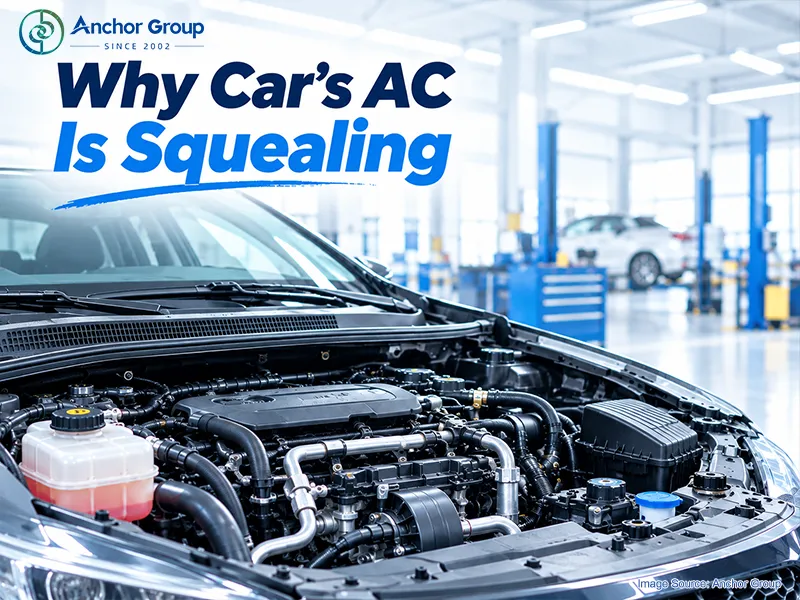

Yes, a bad AC compressor can significantly impact engine performance, especially in conventional vehicles.
How a Faulty AC Compressor Affects the Engine
In conventional vehicles, the AC compressor is mounted on the engine block and driven by the engine through a belt. When the compressor malfunctions, it can cause excessive belt wear and mechanical strain, adding load to the engine. This added strain can compromise overall engine performance and efficiency.
For vehicles equipped with electric compressors, the compressor does not directly affect the engine since it is powered by electricity rather than the engine itself. However, while the engine load remains unaffected, an electric compressor failure can still reduce the performance of the air conditioning system.
Location of Key Air Conditioning Components
The AC compressor is the heart of the air conditioning system, typically located on the engine block. Its primary function is to circulate and pressurize the refrigerant, allowing the system to cool the air inside the cabin.
- Condenser Coil: Usually mounted at the front of the vehicle, near the grille, to cool the refrigerant and convert it into liquid form.
- Expansion Valve: Located near the firewall, it regulates the flow of refrigerant into the evaporator and reduces its pressure.
- Receiver-Drier: Positioned near the condenser, it ensures the refrigerant is properly filtered.
- Evaporator Coil: Found within the cabin, this component absorbs heat from the air and cools it.
- Blower Motor: Located behind the dashboard, it circulates cooled air throughout the cabin.

Together, these components work in tandem to optimize the performance of the air conditioning system.
Major Signs of a Bad AC Compressor
- Warm or Weak Airflow from Vents
If your AC blows warm air, the compressor may be failing. Since the compressor’s main function is to distribute refrigerant and send cool air into the cabin, a malfunction can hinder this process. - Unusual Noise
A bad compressor can often cause loud, unusual noises during operation, indicating internal damage or wear. - Refrigerant Leaks
If there is a refrigerant leak, it’s another sign that the compressor may be damaged. Leaks reduce the system’s efficiency and can lead to complete system failure if not addressed promptly.
Explore More Details:5 Signs of a Failing AC Compressor & 3 Maintenance Tips
Conclusion
A bad AC compressor can cause engine strain in conventional vehicles, reduce air conditioning performance, and lead to costly repairs. Regular maintenance and timely repair of the compressor and related components are essential to ensure optimal vehicle performance.