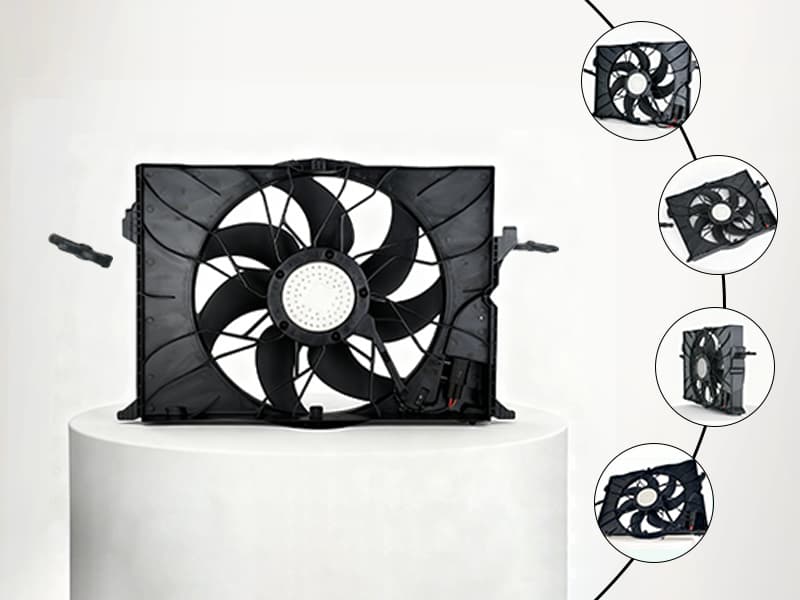

Does Air Conditioning in a Car Use Gas? Yes, air conditioning does consume fuel. But it depends on the vehicle type. Understanding how car AC works not only helps end-users make a smarter choice, but also serves as a critical foundation for distributors, parts manufacturers, wholesalers and service centers to make business strategies in the auto air conditioning industry.
Key Components of AC System and How They Work
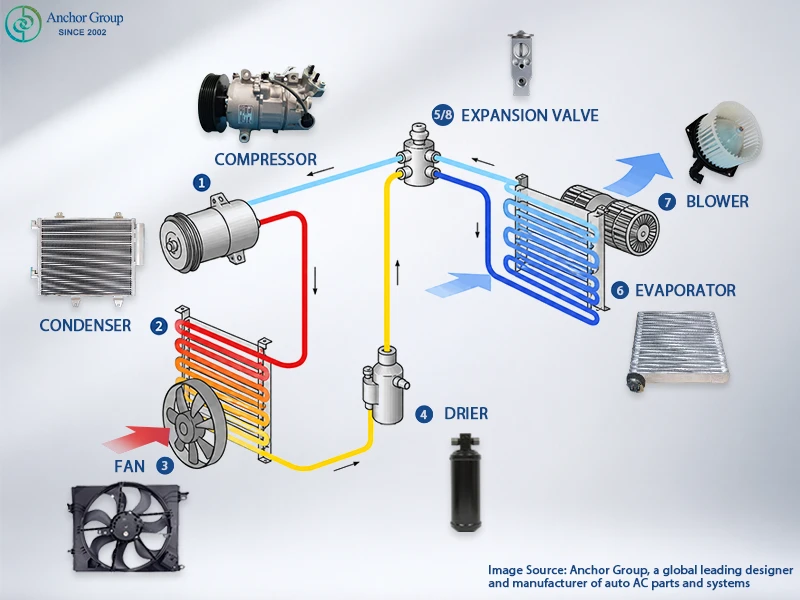
Does Air Conditioning in a Car Use Gas
| Components | Functions | What B2B Business Should Consider |
| Compressor | The heart of the AC system that compress the low-pressure, low-temperature gas refrigerant into high-pressure, high-temperature gas. | A highly faculty component that distributors should prepare stock |
| Condenser | Condense the gas refrigerant with high temperature and pressure into high-pressure liquid refrigerant | Electric vehicles need highly efficient condenser solutions |
| Receiver Drier | Absorbs the water and filter the impurities of the refrigerant from condenser | A highly replacement part and should be regularly maintenanced |
| Expansion Valve | High-pressure liquid refrigerant is turned into low-pressure liquid refrigerant with low temperature through expansion valve. | The highly precise component that should highly match vehicle types. |
| Evaporator | The refrigerant from the expansive valve absorbs the heat inside the car as it passes through the evaporator and the cooled air then is sent into the cabin. | The cleanness of the evaporator will affect the cooling performance, thereby it is a maintenance point. |
Also Read: Why Is My Car AC Blowing Warm Air? Comprehensive Guide to Troubleshooting and Fixing the Issue
Does Air Conditioning in a Car Use Gas
In internal combustion engine (ICE) vehicles, running the air conditioning increases fuel consumption for the following reasons:
The compressor, which is the heart of the car’s air conditioning system, is usually belt-driven by the engine. When the AC is turned on, the compressor requires additional energy to operate, increasing the load on the engine. To maintain power output and drive the compressor, the ECU injects more fuel. As a result, operating the air conditioning in ICE vehicles typically increases fuel consumption by around 10%, and this effect is even more pronounced during hot summer conditions, heavy traffic, or when the vehicle is idling.
High summer temperatures also drive higher replacement demand for key components such as compressors, belts, and condensers. Distributors are advised to pre-stock these high-demand parts and use regional climate data to anticipate sales peaks, optimizing inventory turnover and profit margins.
For electric vehicles, the situation is quite different. Although they do not consume fuel, running the air conditioning system draws power from the battery, which can reduce the vehicle’s driving range by approximately 5% under hot summer conditions (around 90°F / 32°C).
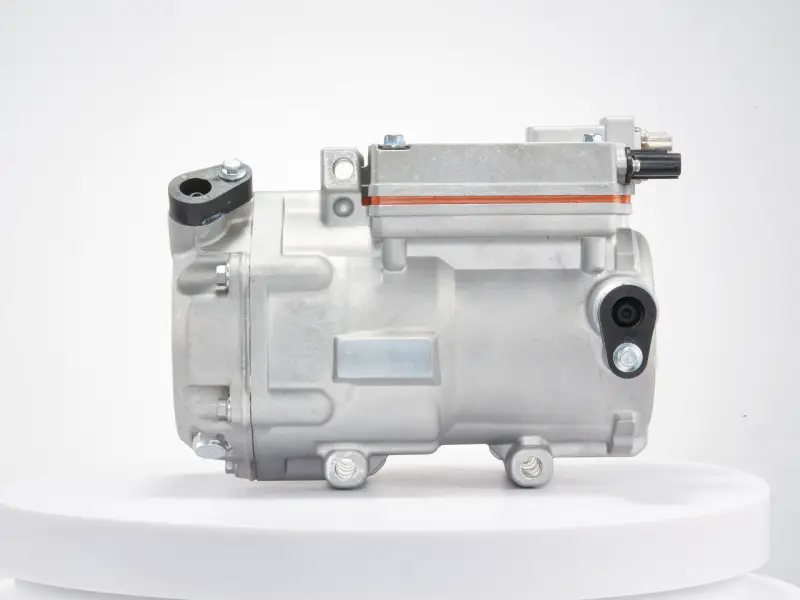
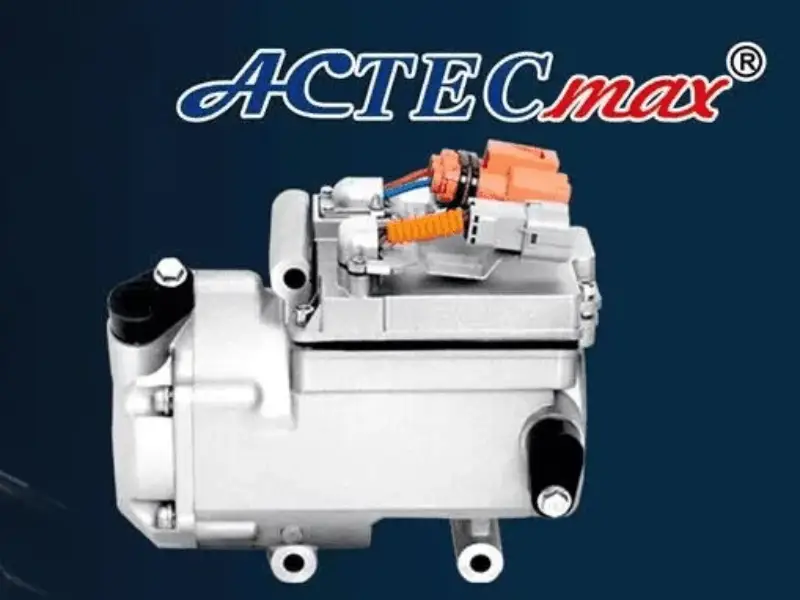
As the penetration of electric vehicles increases, traditional belt-driven compressors are gradually being replaced by high-efficiency electric compressors. Therefore, manufacturers and suppliers should focus on developing and offering high-efficiency electric compressors, integrated smart thermal management solutions, and product lines compatible with EV components such as condensers and evaporators, in order to capture a larger share of the vehicle supply chain.
Conclusion
Air conditioning in a car does consume gas in ICE vehicles and electricity in EVs—and this is the price of driving comfortably. For the automotive AC supply chain, however, this reality represents growing market demand and opportunities for structural upgrades.
Supply Chain Recommendations
| Customer Segment | Focus | Suggestions |
|---|---|---|
| Distributors | Peak-season inventory and stock turnover optimization | Pre-stock high-demand replacement parts in advance using seasonal and regional climate data |
| Spare Parts Manufacturers | Transition to new energy vehicle components | Accelerate R&D and production of electric compressors and smart thermal management systems |
| Repair Centers | Peak-season service capacity and technical upgrades | Provide professional EV AC repair training and pre-stock critical parts in advance |