
With the increasing demand for driver comfort, energy efficiency, and vehicle electrification, parking air conditioner systems have become an essential solution for commercial vehicles, trucks, RVs, buses, and special-purpose vehicles.
Unlike traditional vehicle air conditioning systems that rely on the engine running, a parking air conditioner can provide cooling performance while the vehicle is parked. This helps reduce fuel consumption, lower engine idling time, and create a more comfortable environment for drivers during rest periods.
For distributors, fleet operators, and automotive aftermarket businesses, parking air conditioners represent a growing product category with strong market potential.
What Is a Parking Air Conditioner?
A parking air conditioner is an independent cooling system designed to operate when a vehicle engine is switched off.
Traditional vehicle AC systems usually depend on the engine-driven compressor to generate cooling. When the engine stops, the original air conditioning system cannot continue operating.
A parking AC system solves this problem by using an independent power source, such as:
- Battery power
- Vehicle auxiliary power systems
- External power supply
- Solar-assisted power solutions
This allows drivers to maintain a comfortable cabin temperature during parking, sleeping, loading, or waiting periods.
Main Applications of Parking Air Conditioner Systems
Parking air conditioners are widely used in different vehicle categories.
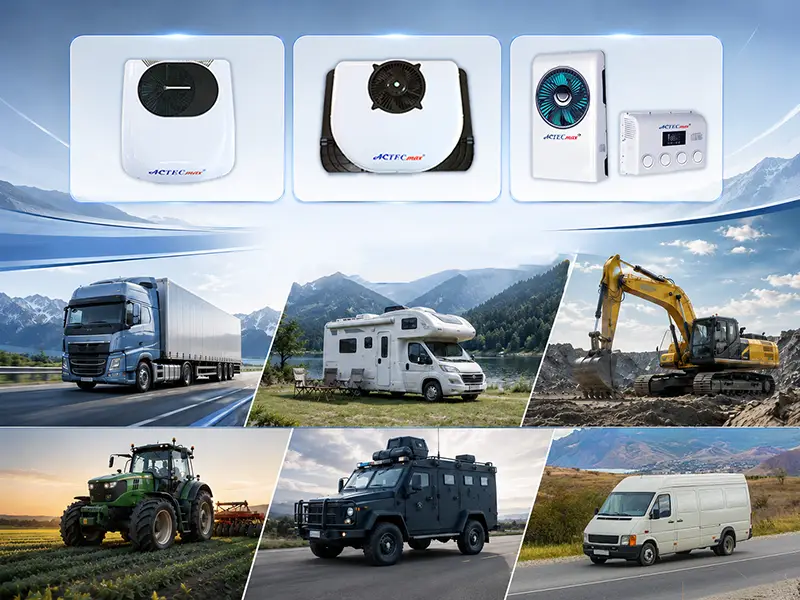
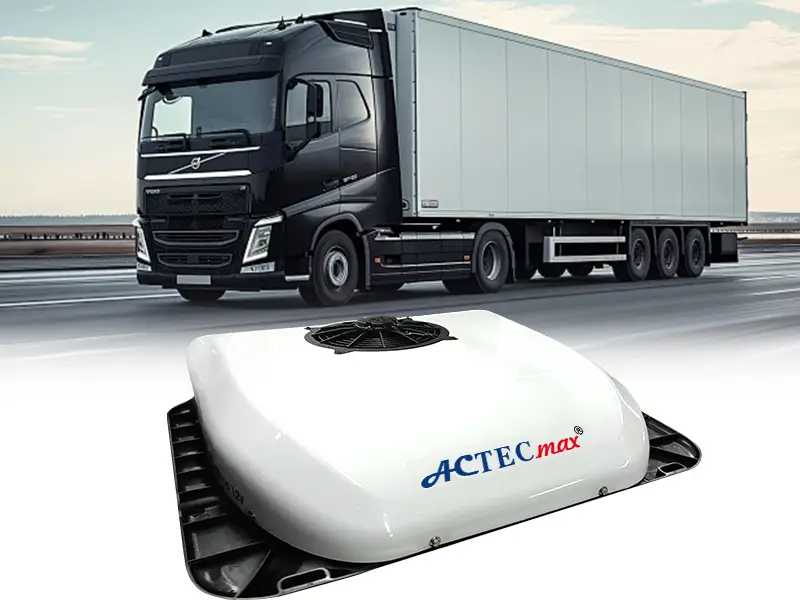
Truck and Heavy-Duty Vehicles
Long-distance truck drivers often need to rest inside the cabin during transportation. Traditional idling-based cooling consumes fuel and increases engine wear.
A parking AC system provides:
- Comfortable sleeping conditions
- Reduced fuel consumption
- Lower operating costs
- Less engine idling time
This makes it a popular solution for logistics fleets and transportation companies.
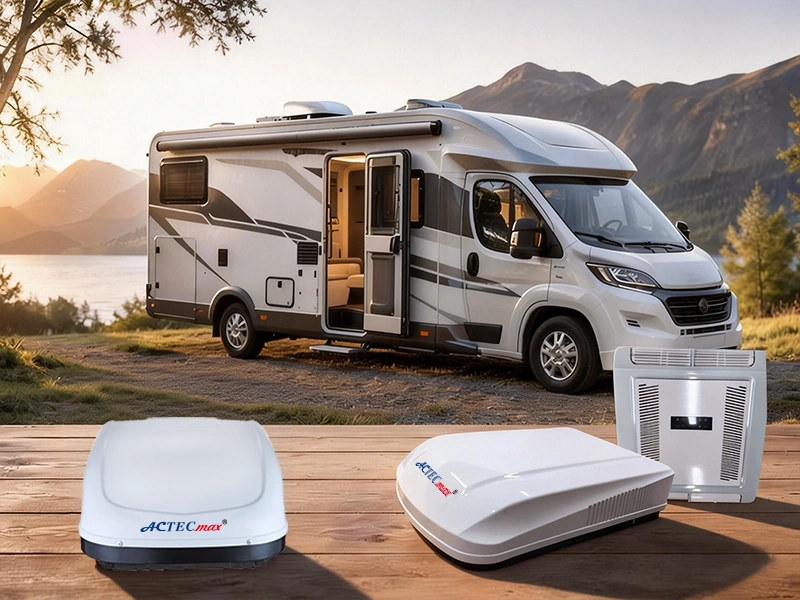
RV and Camper Applications
For RV owners, maintaining a comfortable interior environment during camping or overnight parking is essential.
Parking air conditioners provide:
- Independent cooling without engine operation
- Lower noise operation
- Better energy efficiency
- Flexible installation options
Buses and Commercial Vehicles
Passenger transportation vehicles often require climate control during stops or waiting periods.
Parking AC systems help maintain passenger comfort while reducing unnecessary fuel consumption.
Construction and Special Vehicles
Vehicles used in construction, mining, agriculture, and field operations often operate in extreme environments.
A reliable parking air conditioner can improve working conditions and reduce operator fatigue.
Types of Parking Air Conditioner Systems
Depending on design and application requirements, parking AC systems can generally be divided into two types.
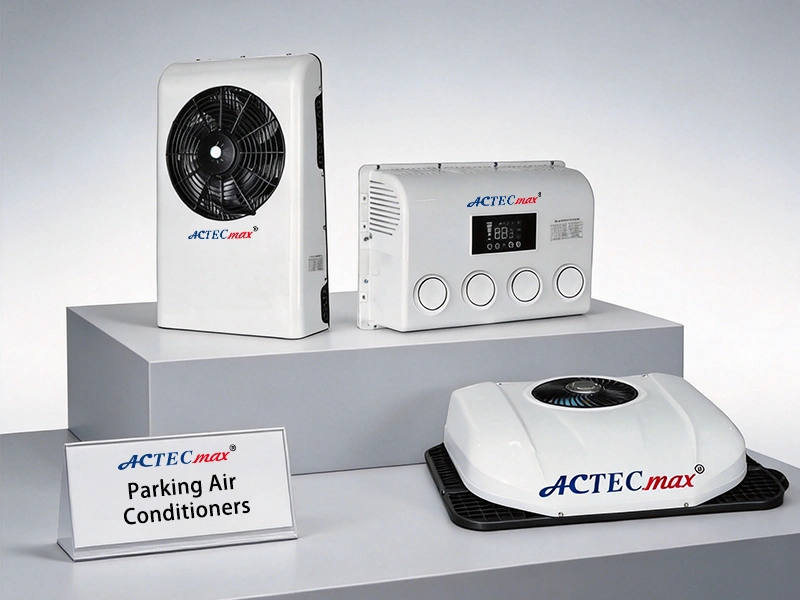
Roof-Mounted Parking Air Conditioner
Roof-mounted systems integrate the evaporator and condenser into a compact unit installed on the vehicle roof.
Advantages:
- Space-saving design
- Fast installation
- Good airflow distribution
They are commonly used for trucks, buses, and RV applications.
Split-Type Parking Air Conditioner
Split parking AC systems separate the indoor and outdoor units.
Benefits include:
- Flexible installation
- Lower cabin noise
- Better cooling performance
They are suitable for applications requiring higher comfort levels.
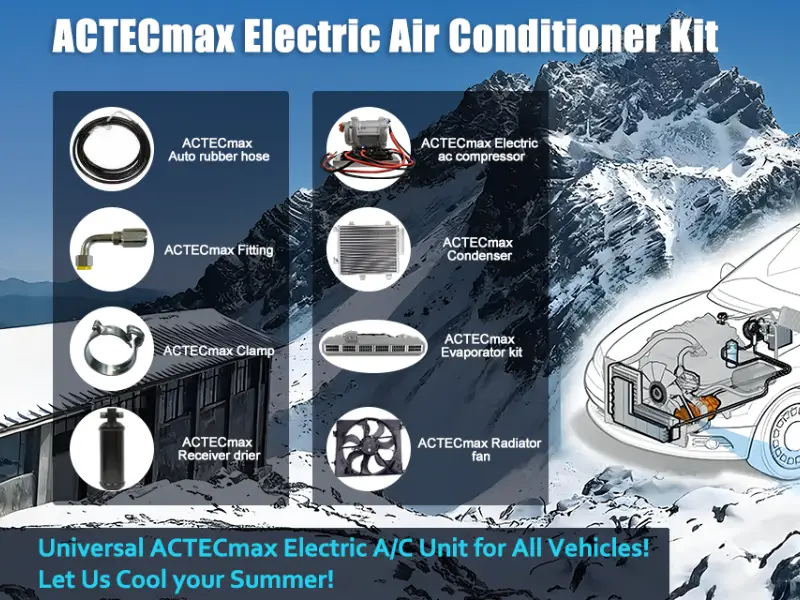
Key Components of a Parking Air Conditioner
A complete parking AC system includes several important components.
Electric Compressor
The electric compressor is the core component responsible for refrigerant circulation.
Important purchasing factors include:
- Voltage compatibility
- Cooling capacity
- Energy efficiency
- Operating reliability
For modern electric vehicles and commercial applications, electric compressors with CAN communication and variable-speed control are increasingly popular.
Also Read: Electric Car Air Conditioning Kit
Condenser
The condenser removes heat from the refrigerant system.
A high-quality condenser should provide:
- Efficient heat exchange
- Corrosion resistance
- Long service life
- Stable performance under harsh conditions
Evaporator
The evaporator absorbs heat from the vehicle cabin and provides cooling airflow.
Key considerations include:
- Cooling efficiency
- Airflow performance
- Compact structure
- Installation flexibility
Cooling Fan and Blower Motor
Fans and blowers directly influence airflow performance.
Reliable motors help ensure:
- Stable air circulation
- Lower operating noise
- Longer service life
How to Choose the Right Parking Air Conditioner?
For distributors and buyers, selecting the correct parking AC system requires evaluating several factors.
Vehicle Type and Installation Space
Different vehicles require different designs.
For example:
- Trucks may require high-capacity systems
- RVs may prioritize quiet operation
- Electric vehicles may require high-voltage solutions
Cooling Capacity
Cooling capacity should match the vehicle cabin size and operating environment.
Important factors include:
- Cabin volume
- Ambient temperature
- Insulation conditions
- Operating duration
Power Supply Requirements
Buyers should confirm:
- 12V or 24V system requirements
- Battery capacity
- Power consumption
- Compatibility with vehicle electrical systems
Product Reliability and Supplier Capability
For distributors importing parking AC products, supplier capability is equally important.
A reliable supplier should provide:
- Stable manufacturing quality
- Technical documentation
- Application support
- Consistent supply capacity
- Product customization options
Business Opportunities for Parking Air Conditioner Distributors
The growing demand for energy-efficient vehicle cooling solutions creates new opportunities for aftermarket suppliers.
Distributors can expand their product portfolio by offering:
- Complete parking AC systems
- Replacement components
- Electric compressors
- Condensers and evaporators
- Fans and related accessories
Working with a manufacturer that provides multiple AC components allows distributors to simplify sourcing and improve competitiveness.

Conclusion
Parking air conditioner systems are becoming an important solution for modern transportation, commercial vehicles, and recreational applications.
With advantages such as reduced fuel consumption, improved driver comfort, and independent cooling capability, parking AC systems offer significant market potential.
For wholesalers, distributors, and automotive businesses, choosing a reliable parking air conditioner supplier with complete product capabilities can help build long-term business opportunities in the growing vehicle climate control market.
Note: This article has been refined with AI assistance based on our original content to improve clarity, readability, and user experience while maintaining the original insights and expertise.