
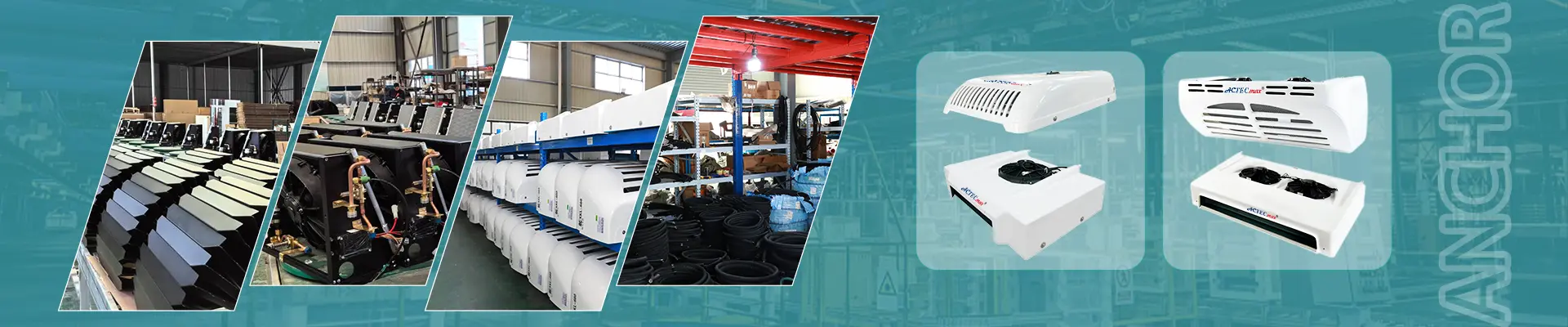
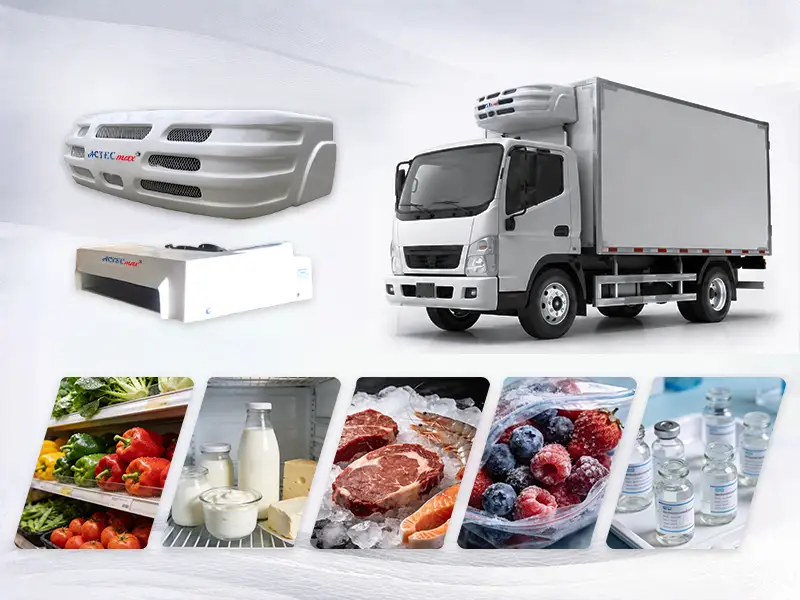
Cold chain systems play a critical role in maintaining temperature-sensitive goods during storage and transportation. Widely used in food, pharmaceutical, and biotech industries, these systems ensure products remain at optimal temperatures, preserving freshness, safety, and efficacy. Designed for reliability and precision, Transport refrigeration systems support long-distance logistics, distribution networks, and last-mile delivery, meeting the stringent standards required for perishable and sensitive materials.
Cold chain systems play a critical role in maintaining temperature-sensitive goods during storage and transportation. Widely used in food, pharmaceutical, and biotech industries, these systems ensure products remain at optimal temperatures, preserving freshness, safety, and efficacy. Designed for reliability and precision, Transport refrigeration systems support long-distance logistics, distribution networks, and last-mile delivery, meeting the stringent standards required for perishable and sensitive materials.

Transport refrigeration systems maintain stable and adjustable temperatures throughout transit, ensuring that sensitive goods such as food, pharmaceuticals, and biotech products remain fresh, safe, and effective from origin to destination.

Transport refrigeration is suitable for a broad range of industries, including food and beverages, pharmaceuticals, agriculture, chemicals, and flowers and so on. Its versatile temperature control and adaptability allow the same system to handle diverse cargo efficiently.

Designed for domestic and international transport, these systems enable secure and stable delivery of temperature-sensitive goods over long distances, supporting global supply chains while meeting regulatory and quality standards.

By tightly controlling temperature, these systems significantly extend the shelf life of perishable goods and reduce spoilage, minimizing losses and ensuring product quality throughout the supply chain.
What is a Transport Refrigeration Unit?
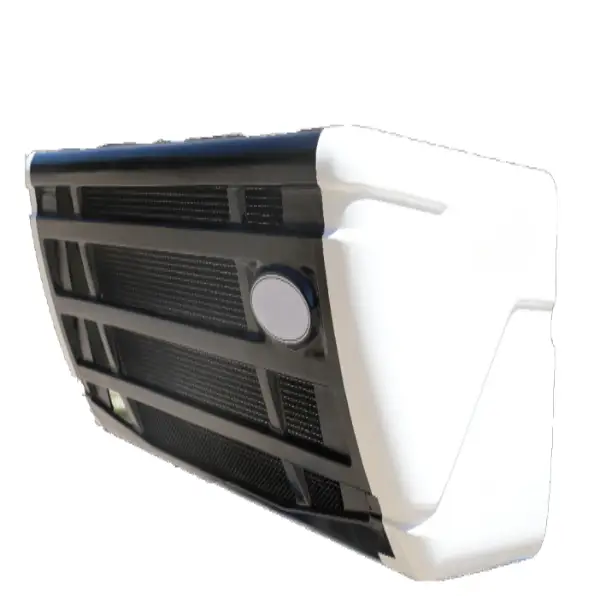
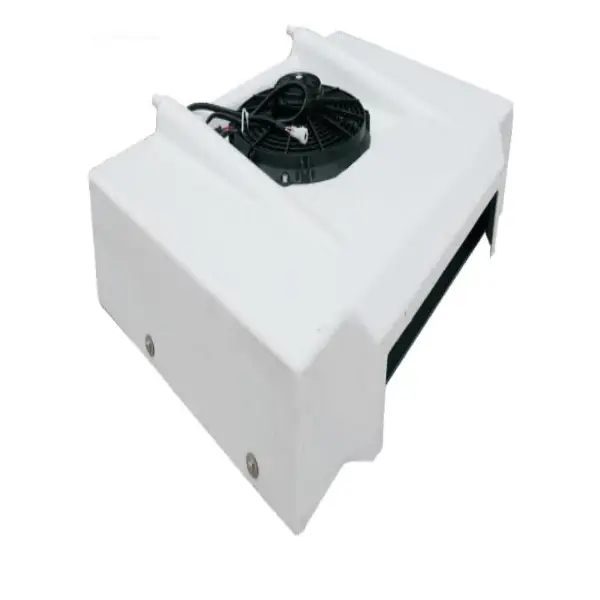
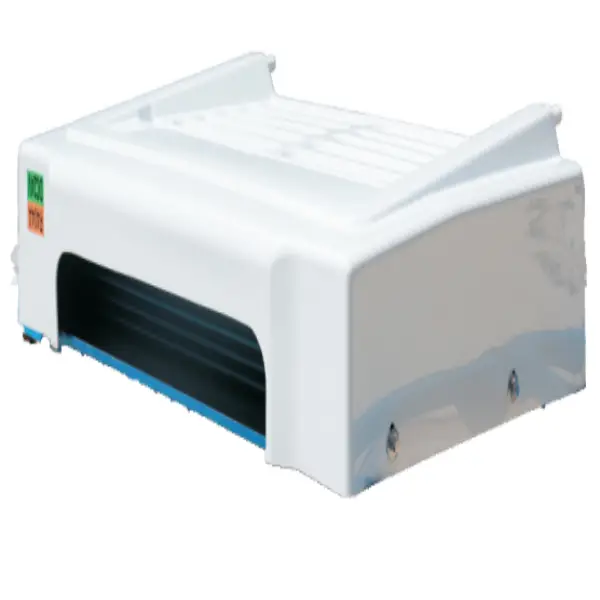
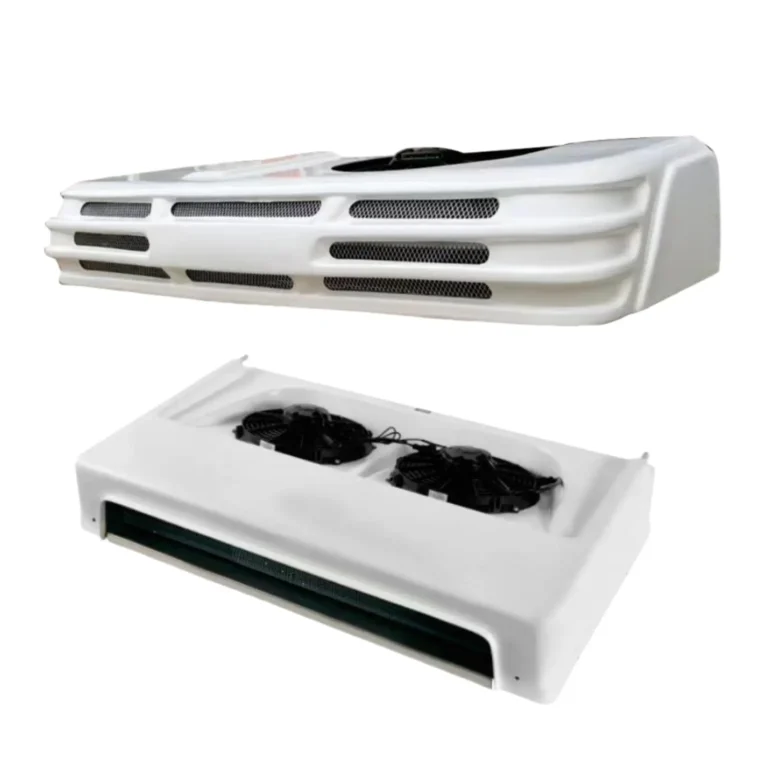
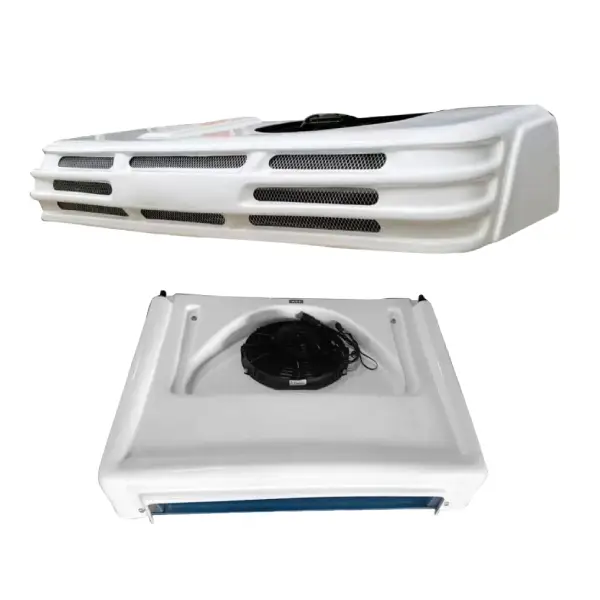
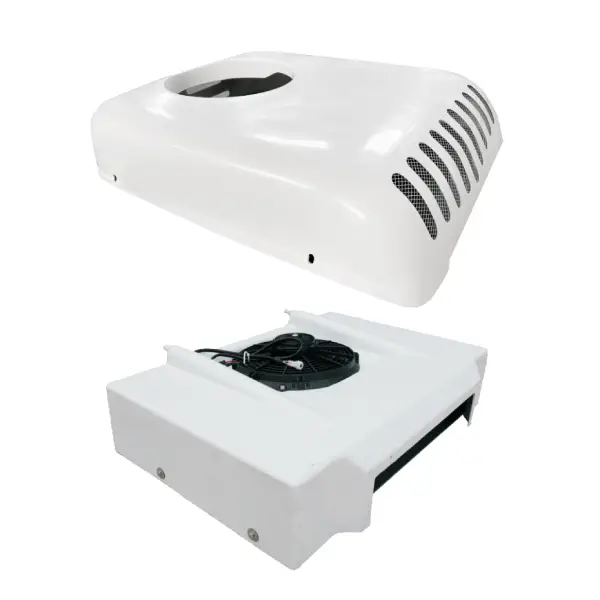
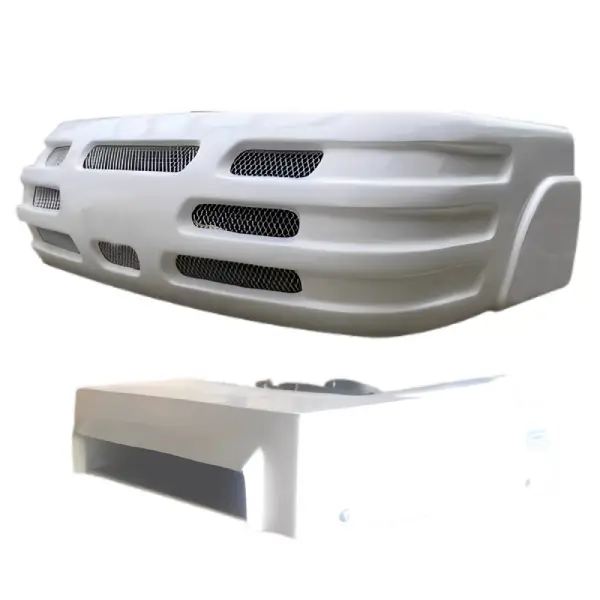
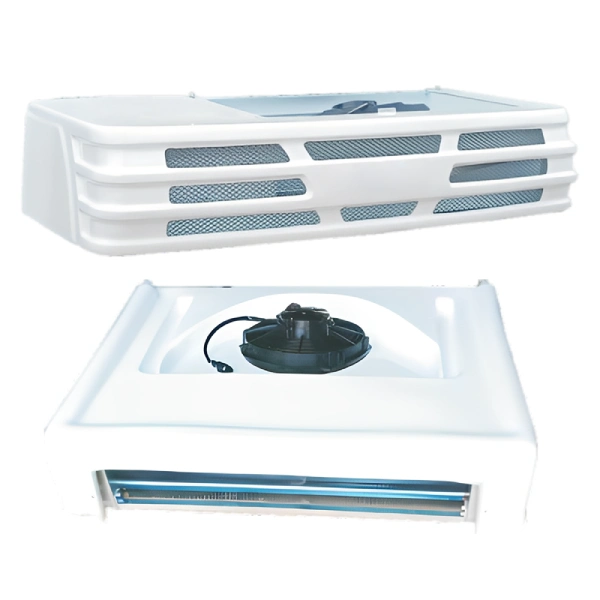
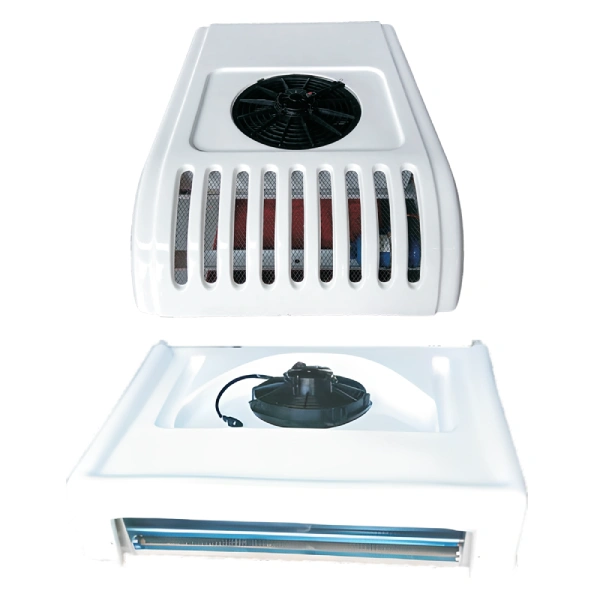
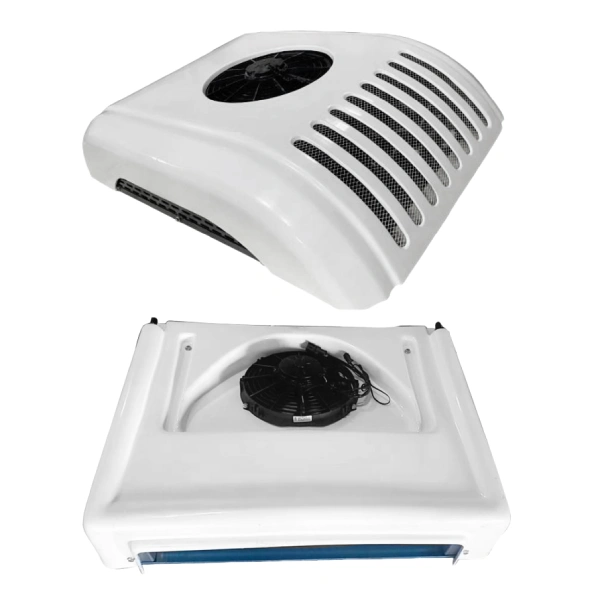
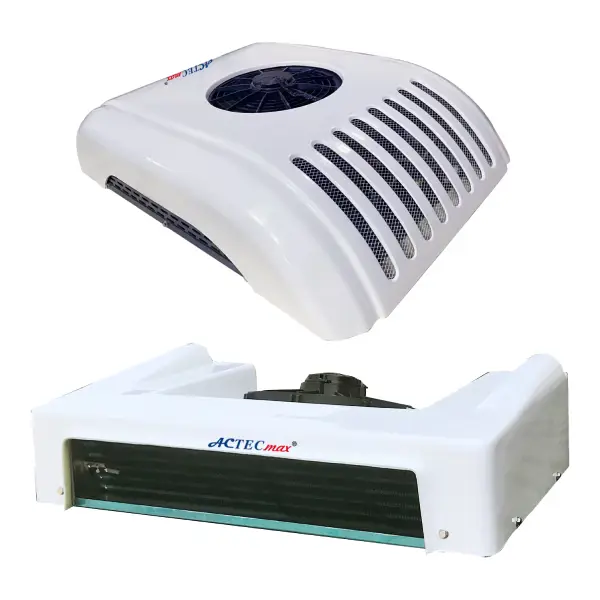
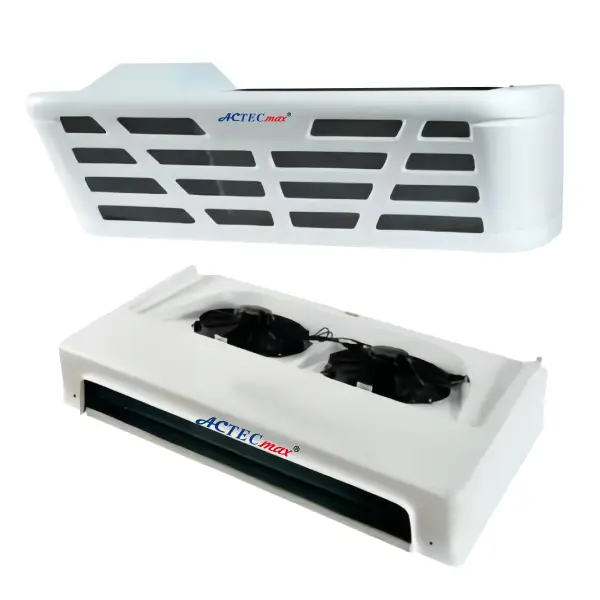
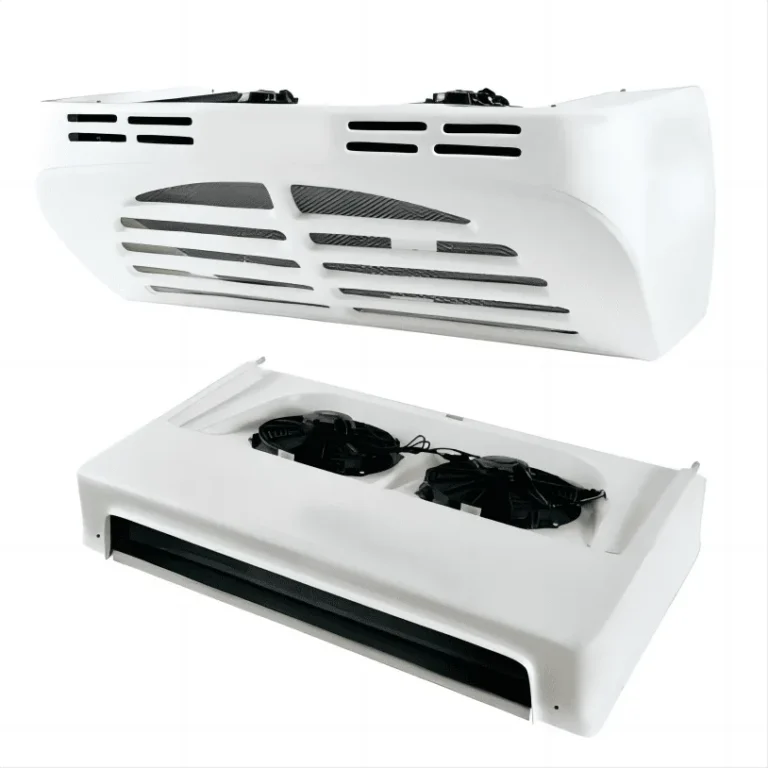
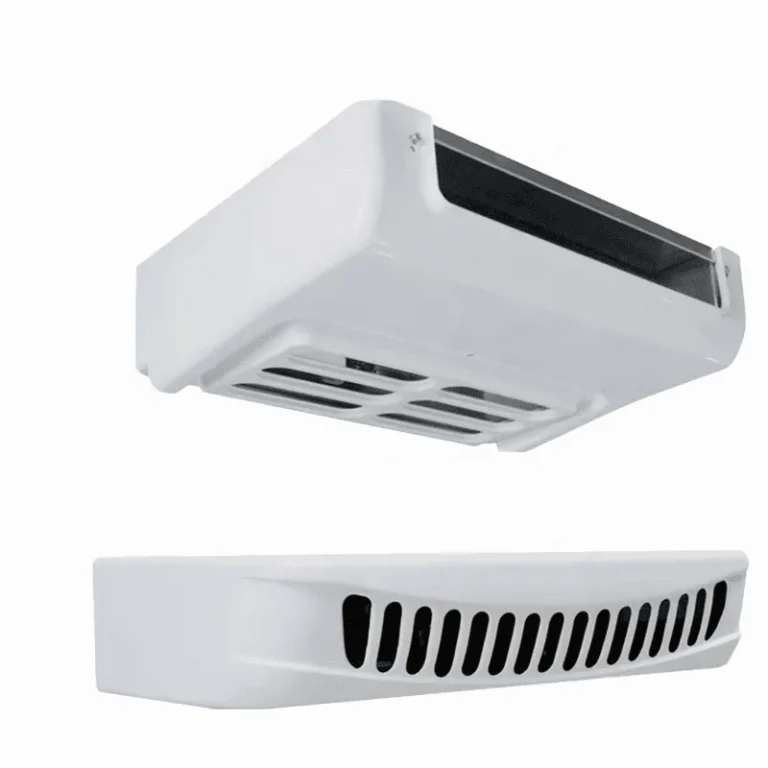
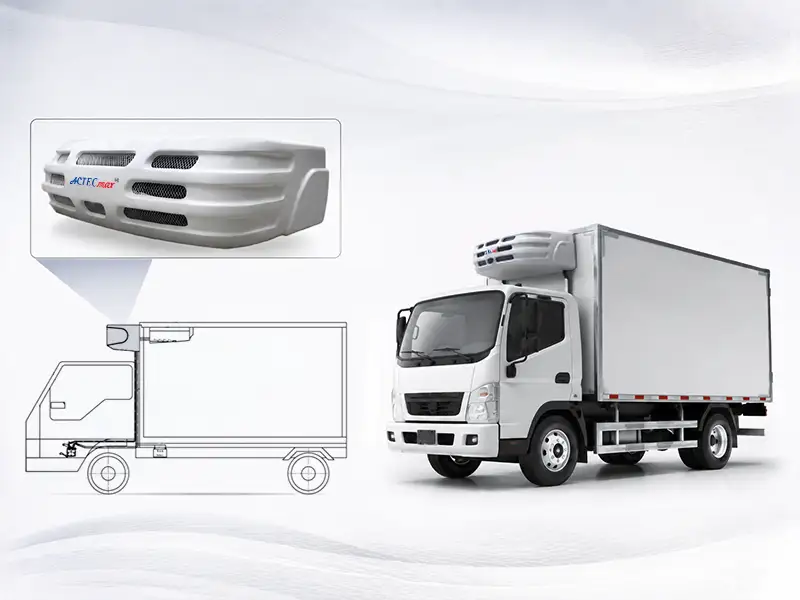
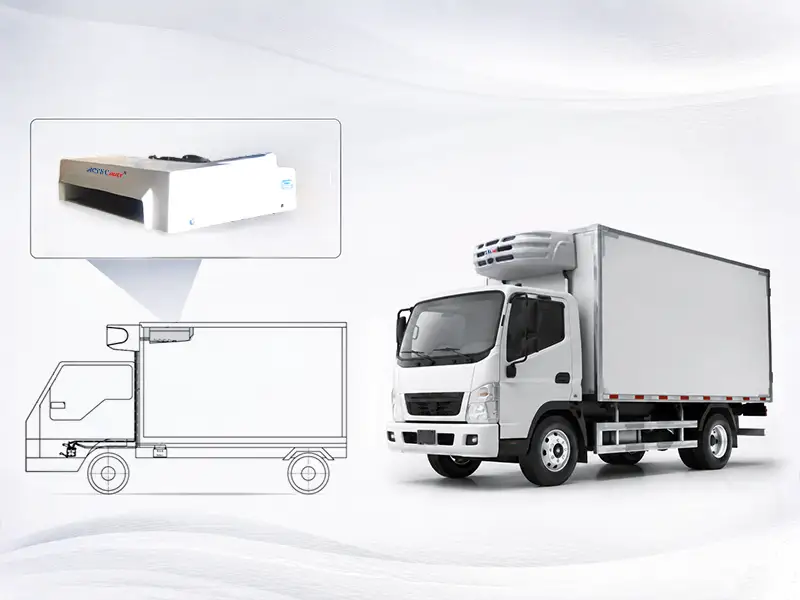
A transport refrigeration unit (also called reefer unit) is a cooling system designed to maintain the required temperature for temperature-sensitive cargo during transportation. It is typically installed on the cargo box of trucks, vans, or trailers. According to the power source, transport refrigeration units are available in engine-driven and electric-driven models. Based on the installation method, they can be front-mounted, roof-mounted, or side-mounted. Structurally, they are divided into split units and integrated units.
What is the difference between split and integrated reefer units?
Split transport refrigeration units feature separate compressor, condenser, and evaporator assemblies that are installed at different locations on the vehicle. In contrast, integrated units combine these major refrigeration components into a single compact housing, which is typically mounted on the roof or front of the cargo box, depending on the vehicle design.
How to install the split reefer unit?
Installing a split transport refrigeration unit requires the compressor, condenser, and evaporator to be mounted separately at designated locations on the vehicle. The compressor is typically driven by the vehicle’s engine or an electric motor, while the condenser assembly is installed outside the cargo box and the evaporator assembly is mounted inside the insulated compartment. After mounting the components, refrigerant lines, electrical wiring, and the control system are connected, followed by refrigerant charging, leak testing, and performance verification. To ensure safe operation and optimal cooling performance, installation should be carried out by qualified technicians according to the manufacturer’s installation manual.
How to choose the right transport refrigeration units?
Choosing the right transport refrigeration unit depends on several key factors. First, determine the required cargo temperature. Chilled products such as fresh produce, dairy, and beverages are typically transported at 0–8°C (32–46°F), while frozen goods usually require temperatures of -18°C (0°F) or below. Next, consider the cargo box size, as the refrigeration capacity must match the box volume to ensure stable temperature control.
The delivery duration is another important factor. For long-haul transportation or frequent door openings, a higher-capacity unit is often recommended to maintain consistent cooling performance. You should also consider the vehicle’s powertrain. Engine-driven units are commonly used on conventional diesel or gasoline vehicles, while electric refrigeration units are better suited for battery electric and many hybrid commercial vehicles. For long-distance deliveries that require continuous cooling while the vehicle is parked or the engine is off, an auxiliary power unit (APU) or an independent power source can help ensure uninterrupted refrigeration and reduce fuel consumption.
To select the most suitable model, it is recommended to evaluate the cargo temperature requirement, cargo box dimensions, vehicle type, power supply, ambient operating conditions, and delivery cycle together rather than relying on a single factor.