
Freon, a commonly used refrigerant in automotive air conditioning systems, is crucial for effective cooling. Understanding its types, uses, and maintenance is vital for vehicle owners.
| Refrigerant Type | Description |
|---|---|
| R-12 | Older refrigerant, phased out due to environmental concerns. |
| R-134a | Widely used in vehicles manufactured since the 1990s; less harmful to the ozone layer. |
| R-1234yf | Newer refrigerant with lower global warming potential; increasingly used in modern vehicles. |
How to Check Freon Levels
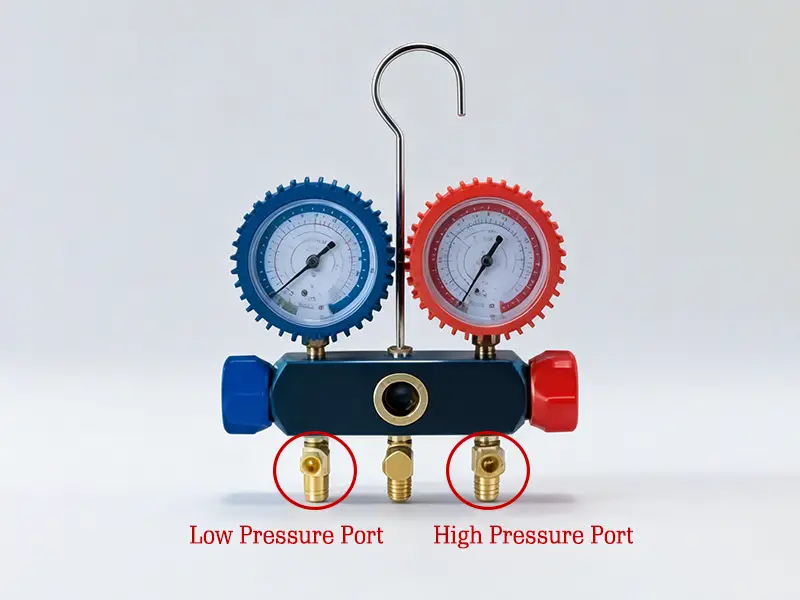
- Locate the Service Port: Find the low-pressure service port on the AC system.
- Attach a Pressure Gauge: Connect a refrigerant pressure gauge to assess the system’s pressure.
- Read the Gauge: Compare the reading to the recommended pressure levels for your vehicle.
Signs of Low Freon
- Reduced Cooling: Insufficient cooling from the AC vents.
- Hissing or Bubbling Sounds: Indicate possible leaks in the system.
- Frost on AC Components: Excessive frost can suggest low refrigerant levels.
How to Recharge Car AC
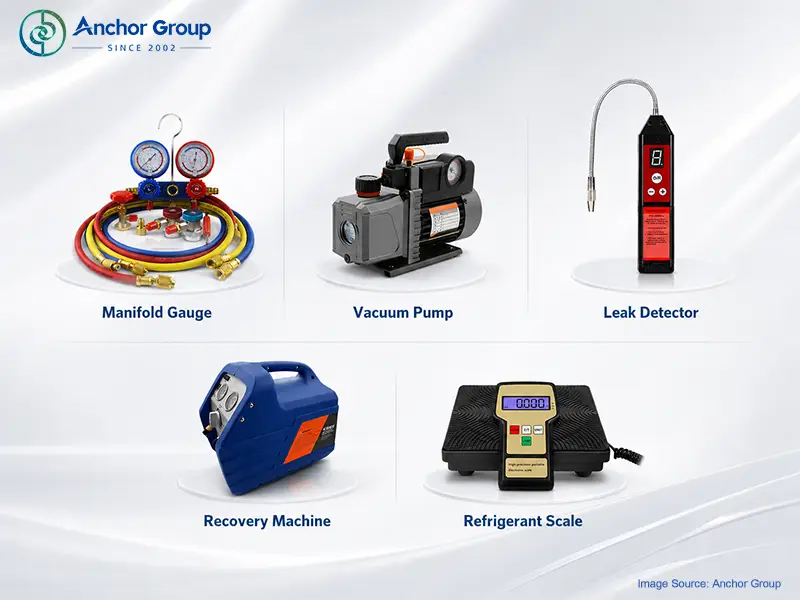
- Gather Tools: AC recharge kit (includes refrigerant and pressure gauge) , Safety gloves and goggles
- Locate the Low-Pressure Service Port: Typically found on the larger diameter AC line, marked with an “L.”
- Connect the Pressure Gauge: Attach the pressure gauge to the service port securely.
- Check Current Pressure: Read the gauge to determine if the system needs refrigerant. Ideal low-side pressure is usually between 25-45 psi.
- Add Refrigerant: If the pressure is low, follow the kit instructions to add refrigerant slowly. Do this in short bursts, checking the pressure regularly.
- Test AC Performance: Turn on the AC to maximum and check for improved cooling.
- Disconnect Tools: Carefully remove the gauge and replace the service port cap to prevent contamination.
Maintenance Tips:
- Regular Inspections: Check refrigerant levels during routine maintenance.
- Look for Leaks: Inspect hoses and connections for signs of leaks.
- Professional Servicing: Have a qualified technician service your AC system to ensure proper refrigerant levels and functionality.
Environmental Considerations
- Regulations: Many countries have regulations regarding the use and disposal of refrigerants due to their environmental impact.
- Proper Disposal: Always ensure that old refrigerants are disposed of in compliance with local laws.
- For optimal performance and longevity of your vehicle’s air conditioning system, understanding and maintaining the correct levels of Freon is essential.