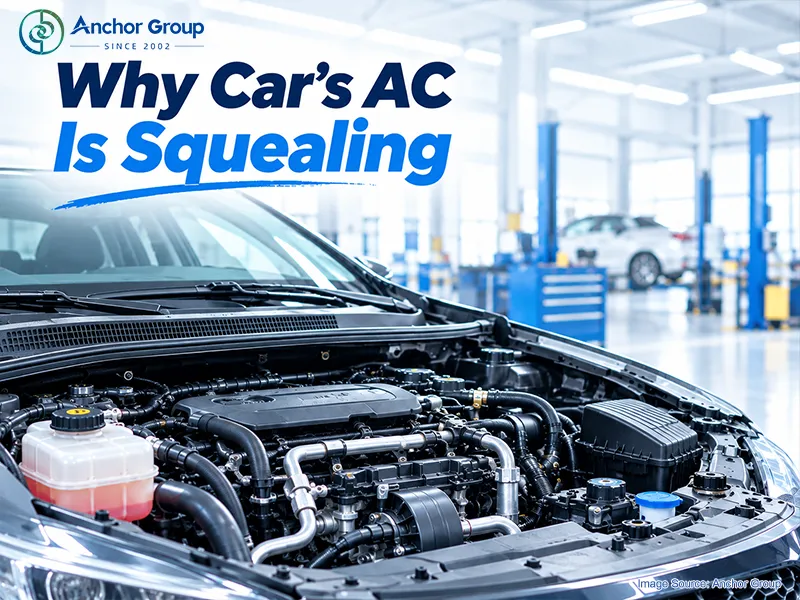

Sourcing the right car AC compressor is not simply about finding the lowest price. For importers, wholesalers, and distributors, compressor compatibility, quality, application coverage, and supply stability can directly affect installation success, warranty costs, and customer satisfaction.
Whether you are sourcing compressors for passenger cars, commercial vehicles, buses, trucks, or electric vehicles, there are several important factors to consider before placing a bulk order.
What Is a Car AC Compressor?
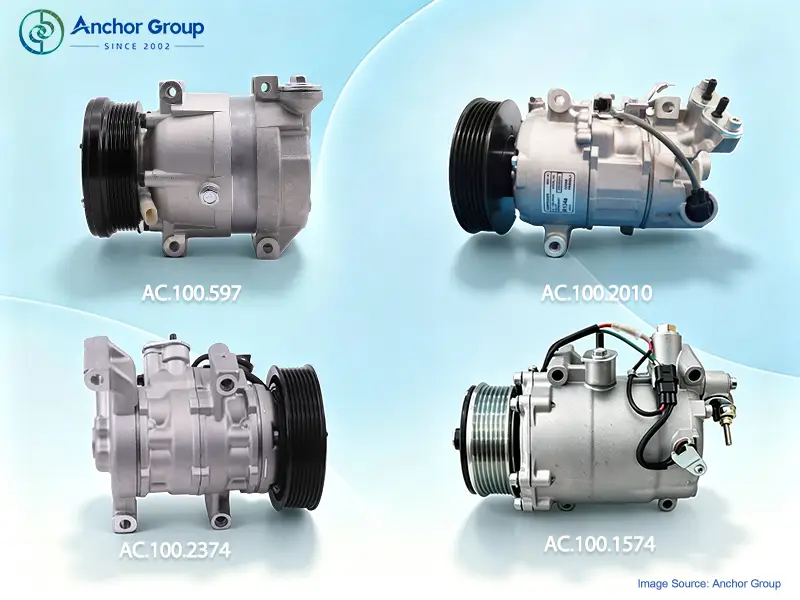
The car AC compressor is one of the key components of an automotive air conditioning system. It compresses and circulates refrigerant through the A/C system, allowing heat to be removed from the vehicle cabin. Depending on the vehicle and application, automotive A/C compressors can include wobble plate, swash plate, rotary vane, scroll, and electric compressors. Different designs are suitable for different vehicle applications, so buyers should confirm the application before ordering.
Also Read: https:Auto AC Compressor Suction and Discharge Tests
Car AC Compressor Applications by Vehicle Type
A professional automotive A/C compressor supplier should be able to cover a wide range of vehicle applications.
Passenger Cars
Passenger cars are one of the largest aftermarket applications. Buyers should confirm the vehicle make, model, year, engine, OE number, refrigerant, and pulley configuration before sourcing a replacement compressor.
SUVs and Pickups
SUVs and pickups may require different compressor configurations depending on the engine and model year. Applications can include vehicles such as Toyota RAV4, Toyota Hilux, Toyota Prado, and other popular models.
Vans and Trucks
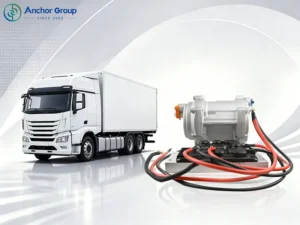
Vans and trucks are widely used for commercial transportation, logistics, and fleet operations, making reliable A/C systems essential for driver comfort and vehicle operation. Common applications include Fiat Ducato, Peugeot Boxer, Citroen Jumper, Iveco Daily, and HINO trucks, among others.
Buses
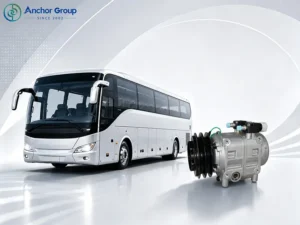
Buses often operate for long periods and under demanding conditions. Buyers should pay particular attention to compressor durability, cooling requirements, mounting configuration, and electrical specifications. 24V compressors are commonly found in many commercial vehicle applications.
Electric and Hybrid Vehicles
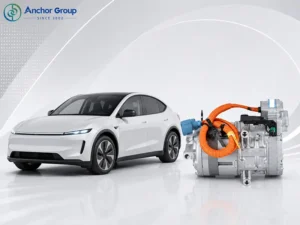
EVs and hybrid vehicles use electric A/C compressors that operate independently from a conventional engine-driven belt system. When sourcing electric compressors, buyers should confirm high-voltage requirements, electrical connectors, control systems, refrigerant, and oil specifications.
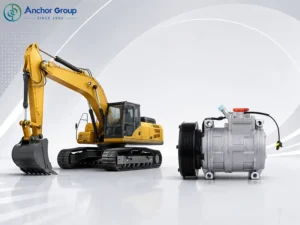
Agricultural and Engineering Vehicles
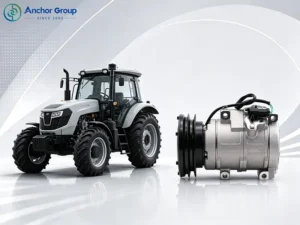
Tractors, construction machinery, and other engineering vehicles can operate in high-temperature, dusty, and high-vibration environments. Compressors for these applications should be selected according to the machine model, operating conditions, mounting configuration, and voltage.
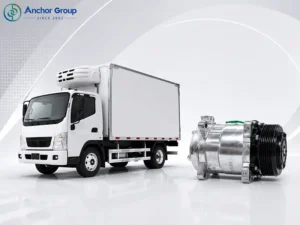
Refrigerated Vehicles
Refrigerated vehicles have different requirements from passenger vehicle A/C systems because their refrigeration systems need to maintain specific cargo temperatures. Compressor selection should consider cooling capacity, temperature range, refrigeration system design, and vehicle configuration.
How to Match a Car AC Compressor Correctly
Before placing an order, B2B buyers should provide as much information as possible.
Key specifications include:
- Vehicle make, model, and year
- Engine type and displacement
- OE/OEM number
- Compressor model
- Voltage
- Refrigerant
- Pulley diameter and grooves
- Mounting points
- Clutch configuration
- Required quantity
The OE number is one of the most useful references when matching replacement compressors. A reliable supplier should be able to cross-reference the OE number and confirm application compatibility before shipment.
Choose the Right Compressor Type
Different vehicles require different compressor designs. Wobble plate and swash plate compressors are widely used in conventional automotive A/C systems. Rotary vane and scroll compressors are used in specific vehicle applications, while electric compressors are increasingly important for EVs and hybrid vehicles.
Therefore, distributors should avoid selecting a compressor based only on its appearance. Internal design, displacement, voltage, refrigerant, and application must also be considered.
Don’t Choose a Supplier Based Only on Price
For importers and distributors, the lowest unit price does not always mean the lowest sourcing cost.
A poor-quality compressor can result in:
- Product returns
- Warranty claims
- Installation problems
- Customer complaints
- Additional inspection costs
Before purchasing, ask suppliers about quality control, performance testing, leakage testing, MOQ, lead time, warranty, packaging, and after-sales support. It is also worth checking whether the supplier is a manufacturer or trading company, whether they can provide OE cross-reference data, and whether they can support OEM/ODM or private-label requirements.
Car AC Compressor Sourcing Checklist
Before placing a bulk order, make sure you have confirmed:
| Item | What to Check |
| Vehicle | Make, model, year, engine |
| OE Number | Cross-reference |
| Compressor | Type and displacement |
| Voltage | 12V, 24V, or high voltage |
| Refrigerant | R134a, R1234yf, etc. |
| Mounting | Mounting points and dimensions |
| Pulley | Diameter and grooves |
| Quantity | MOQ and order quantity |
| Quality | Testing and inspection |
| Warranty | Warranty and after-sales support |
| Packaging | Individual and carton protection |
| Lead Time | Production and shipping schedule |
Looking for a Car AC Compressor Supplier?
For importers and distributors, a supplier with broad application coverage can make sourcing easier and reduce compatibility risks.
Anchor Group is a China-based manufacturer and supplier of automotive A/C parts and systems. Its automotive AC compressor range covers different compressor designs and applications, including passenger cars, SUVs, pickups, vans, trucks, buses, electric and hybrid vehicles, agricultural machinery, engineering vehicles, and refrigerated vehicles.
If you are sourcing car AC compressors for wholesale or distribution, provide your OE numbers, vehicle applications, required quantities, voltage, refrigerant, and target market. This information will help the supplier identify suitable products and prepare a more accurate quotation.